




Anstieg der Polymerpreise in Abhängigkeit von den Monomerpreisen zu Beginn des Septembers
The increases were only partially successful: converters accepted, at most, the monomer price increases, and only against early September price levels. Although an oil crisis appears to be developing and feedstock prices continue to rise, there is no sign of panic buying.
Both polymer producers and plastics converters are taking an extremely short-term approach, largely following familiar patterns of thinking. Plastics converters are already following their usual year-end routines. They are not building inventories, and many expect the usual year-end price decline. Sellers’ opportunistic pricing reinforces these expectations. Ambitious price increase plans are repeatedly followed by rapid retreats in the market. The European market is oversupplied, partly because of weak demand and partly because of incoming imports. As a result, decisions by just a few polymer producers can significantly influence European prices, as happened this October. Most European polyolefin producers wanted to implement larger price increases, but 2–3 players decided to raise prices from early September levels by roughly the change in monomer prices. With information spreading quickly, everyone had to follow suit by the end of last week. October sales also depend on quick decisions made within a few days. Those who announce competitive prices earlier are more likely to meet their monthly sales targets.
Beneath polymer producers’ pricing flexibility, pressure is building in the oil industry. Oil price stability can only be maintained through exceptional releases of stocks. NAPHTHA prices rose sharply, by 8%, in one week. This points to further European monomer price increases in November. However, monomer prices already decoupled from polymer prices in the spring and clearly have only a limited influence on polymer prices, particularly polyolefins. There are two reasons: the continuous inflow of imports and the cash flow losses plastics converters have suffered this year. This means they have no available funds for precautionary (panic) buying, while import prices consistently remain below European polymer prices and prevent them from rising.
Lieferanten zu diesem Thema
-
SOLLAU CZ s. r. o.
Ankauf und Verkauf von Kunststoffmahlgut und Regranulaten, Magnete und Magnetabscheider, Metallabscheider, Rezyklat… -

geba Kunststoffcompounds GmbH
Masterbatches für Kunststoffe, Kunststoffregranulat, ABS-Regranulat, Kunststoffregranulat aus ABS, PC, PC/ABS, PA6… -
Szeplast Zrt.
Entwicklung und Herstellung von Weich- und Hart-PVC-Granulaten, Prüfung von Kunststoffgranulaten, Laborprüfungen. -

Remarkplast compounding a.s.
Kunststoffcompounds, Compoundierung von Kunststoffen, Regranulat, Regranulierung von Kunststoffen… -

DLplast, s.r.o.
Herstellung von Schläuchen, Extrusion von Kunststoffschläuchen, Kunststoffextrusion, Herstellung von… -

Fatra, a.s.
Verarbeitung von PVC, PE, PP und PET, Abdichtungsfolien FATRAFOL, PVC-Bodenbeläge, PVC-Granulat, Regranulat…



-
Genesis Polymers Europe und Velogy bringen Kunden auf der Fakuma 2026 die europäische PP- und PE-Produktion näher
Der gemeinsame Auftritt auf der Fakuma (Halle B2, Stand 2310) präsentiert eine wachsende europäische Polyolefin-Plattform, die die Produktionskapazitäten... -
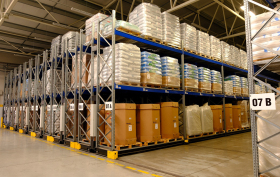
VACULA s.r.o.: Zuverlässige Lieferungen von Kunststoffgranulaten auch in unsicheren Zeiten
In der derzeit schwierigen Lage auf dem globalen Markt, die unter anderem von geopolitischen Spannungen geprägt ist, sehen sich viele Unternehmen mit... -
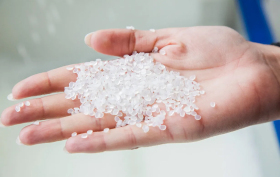
LIFOCOLOR empfiehlt: So wählen Sie die passende Granulatgröße für die Produktion
Haben Sie Probleme mit Farbtonschwankungen, Materialentmischung im Einfülltrichter oder ungenauer Dosierung? Eine der Ursachen kann eine falsch gewählte...